
Reviewed · MULTI-DAY ANGKOR TOURS
3 Days Siem Reap Explorer – Small Group
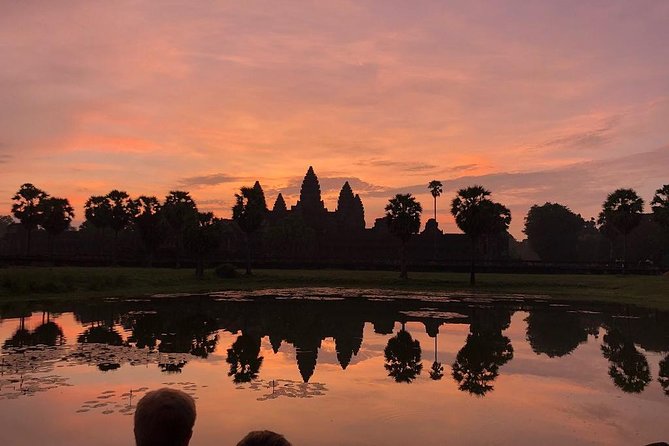
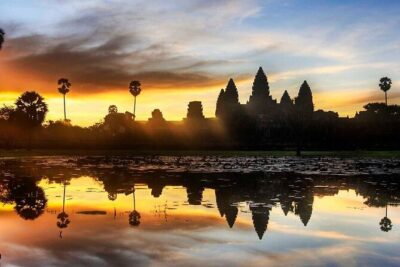
Angkor Wat at sunrise hits hard. I really like the small-group cap (max 15)—it keeps the pace human and makes it easier to ask questions. I also love that you get both iconic Angkor temples and the less-covered lake side of Siem Reap. The main consideration is the extra temple pass cost ($62 per person), paid on the day of your visit.
You’ll start early, often before the sun, with a plan that hits the big names without treating you like a busload. Day 1 blends countryside travel with the Tonlé Sap area, and in the dry season (01 Mar–31 Aug) your evening option swaps to Phare, The Cambodian Circus.
This is temple time—so bring respect for the basics: covered shoulders and knees inside temples, comfortable walking shoes, and patience for long days in the open air.
In This Review
- Key highlights worth your attention
- Three days that fit Angkor without feeling like a sprint
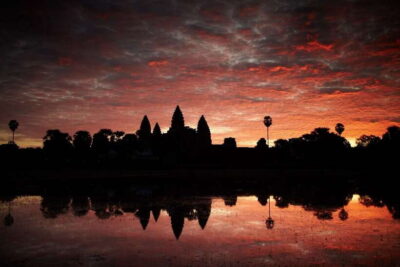
- Sunrise at Angkor Wat: the early start and why it’s worth it
- Angkor Thom, Ta Prohm, and the temples that change your perspective
- Day 1: Kampong Phluk on Tonlé Sap, and how lake life works
- Bakong and Phare Circus: when the tour adds meaning beyond photos
- Day 3: Preah Khan, Neak Pean, Banteay Srei, and Pre Rup
- Price and logistics: what $129 really buys (and what you still pay)
- Comfort tips that make the difference at Angkor
- Who this tour is best for in real life
- Should you book the 3 Days Siem Reap Explorer?
- FAQ
- What’s included in the tour price?
- Do I need to pay a temple pass?
- What time do I need to start for Angkor Wat sunrise?
- What happens on Day 1 during the dry season?
- Are meals included?
- What’s the group size limit?
- What should I wear to the temples?
- Can I cancel and get a full refund?
Key highlights worth your attention
- Sunrise approach to Angkor Wat from the less-busy eastern side for dramatic lighting and a quieter feel early on
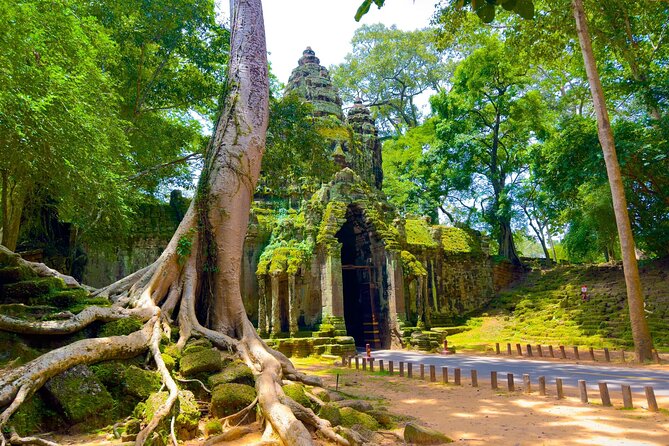
- Ta Prohm’s Tomb Raider atmosphere—one of the most photogenic, root-filled Angkor stops on the schedule
- Tonlé Sap Lake day with Kampong Phluk focusing on how people live around the water
- Phare Circus in the dry season (01 Mar–31 Aug), seat C with a performance tied to post-Khmer Rouge roots
- Air-con vehicle plus a licensed English-speaking guide to keep the days smooth and understandable
More time at the temples, spread over days
- Siem Reap: Angkor Wat 2-Day Tour with Sunrise and Sunset★ 4.9 · 4,429 reviews
- Angkor 2-Day Sunset & Sunrise Small-Group Tour★ 5.0 · 2,567 reviews
- 2 Days Exclusive Temple Highlights with Sunset and Sunrise Tour★ 5.0 · 1,157 reviews
- Siem Reap: Angkor Sunrise 1- or 2-Day Guided Temples Tour★ 4.9 · 1,132 reviews
Three days that fit Angkor without feeling like a sprint
Siem Reap rewards patience. This tour’s value is in how it stitches together two sides of the region: the Angkor monuments and the living culture around Tonlé Sap. Instead of only chasing famous photos, you also get context for what you’re seeing—especially with an English-speaking guide who’s there to explain what matters as you walk.
At around 3 days, it’s enough time to do the major temple hits while still giving you breaks for the “wait, stop, look closer” moments. The small group size (15 max) helps a lot. It means fewer bottlenecks at gates, and you can actually hear the guide over the noise when the group clusters.
If you’re the type who wants a lot of control over timing, this won’t feel like that—this is guided, scheduled, and structured around temple opening windows. The upside is you’re not guessing your way through a complicated site.
Sunrise at Angkor Wat: the early start and why it’s worth it
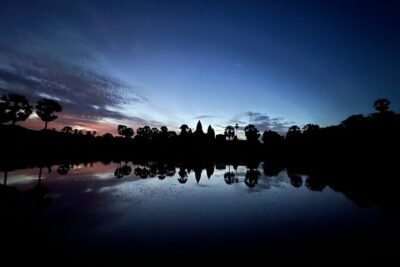
Angkor Wat is the headline for a reason, but it can also feel overwhelming if you show up mid-morning when crowds swell. This tour begins pre-dawn, with departure around 4:00 to 4:30 am depending on the time of year, so you can enter in darkness and catch the first light outside.
One smart detail here is the mention of entering from a less typical eastern side, which tends to help you avoid the most congested arrival patterns. Even without chasing “secret” angles, that early start usually makes the temple feel more like a sacred site than a theme park.
You’ll spend about 3 hours at Angkor Wat. That’s long enough to see major viewpoints, but not so long you lose the day. Ticket timing matters: the Angkor Wat admission is not included, and the temple pass is paid separately, so plan on budgeting for that extra step.
The practical reality: you’ll be tired the first day if you’re not a morning person. But if you care about atmosphere, sunrise is the difference between seeing Angkor and feeling it.
Angkor Thom, Ta Prohm, and the temples that change your perspective
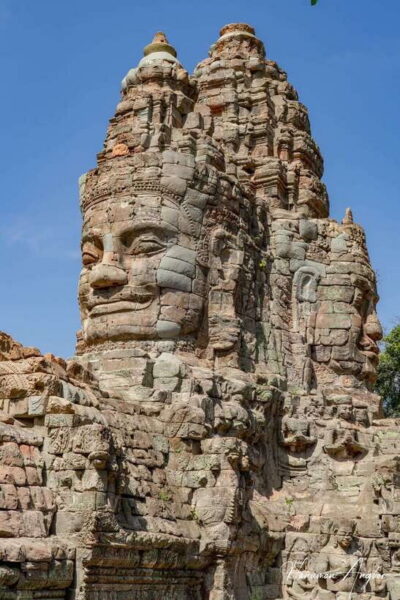
After sunrise, the tour moves into Angkor Thom, the Khmer Empire’s grand capital area. The South Gate stop is quick—about 30 minutes—but it’s the kind of moment that helps you understand the scale. Walking up to those gates, you can feel how the city was designed as a statement, not just a settlement.
Then you go deeper with a stop in Angkor Thom itself, about 1 hour 30 minutes, focused around Bayon. This is where you notice the repeating faces and the “busy but meaningful” carvings that make Angkor feel alive even when it’s crumbling.
You’ll also pass by two famed terraces: the Terrace of the Leper King and the Terrace of the Elephant. Even if you don’t spend long staring at every detail, passing them gives you a chance to connect the dots—this isn’t random stone. It’s a whole visual language.
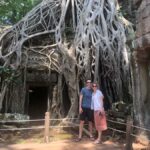
The emotional peak on day 2 is Ta Prohm, about 1 hour. This is the temple most people picture when they think Angkor’s “tree roots taking over” look, and it’s also the one that’s famously known for the Tomb Raider feel. Beyond photos, Ta Prohm teaches you how French “rediscovery” shaped modern awareness of Angkor—especially how these sites were brought back into global view while still being read in their own time and purpose.
Drawback to know: with multiple major areas in one day, you’ll spend a lot of time walking between clusters. If you’re sensitive to heat or fatigue, build in your own breaks by drinking water whenever you can.
Day 1: Kampong Phluk on Tonlé Sap, and how lake life works
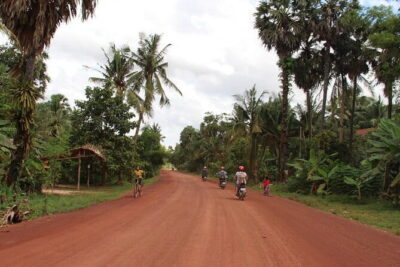
Day 1 starts with a morning drive into the countryside toward Tonlé Sap. The tour leaves around 7:30 am (the schedule also references an 8:00 am start time for the experience), so you’ll likely be picked up early and on your way before the day gets too hot.
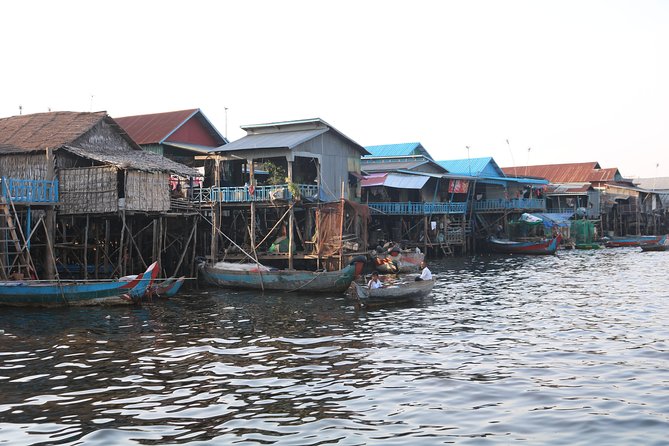
Kampong Phluk is the focal point, and it’s tied to Tonlé Sap Lake’s scale. The lake swells dramatically—reported here as expanding up to 12,000 km²—which is a big reason communities can live in stilt houses and adapt to changing water levels. What I like about this stop is that it’s not just a viewpoint. It’s a way to connect the geography to real homes and daily routines.
Expect a 3-hour block with Tonlé Sap entrance and a boat cruise included, so you’re not paying extra for the core experience. You’ll see the lake up close, which is the best way to understand what “floating village” means in practice.
One consideration: this part of the itinerary depends on season. The tour specifies that during the dry season—01 Mar to 31 Aug—the schedule swaps the Tonlé Sap alternative to Phare Circus on day 1. So if you’re traveling during those months, you’ll get the circus night instead of the lake-based activity.
Either way, the theme stays the same: Cambodia is more than stone temples, and Tonlé Sap is a living system, not just scenery.
Worth a side-by-side look before you book this Siem Reap tour:
Bakong and Phare Circus: when the tour adds meaning beyond photos

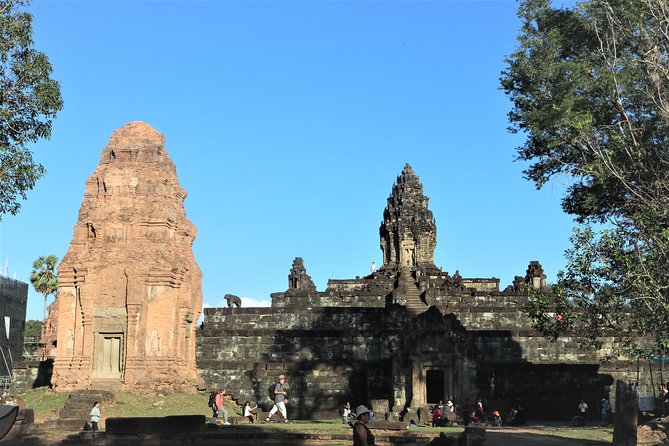
After Kampong Phluk, the day continues to Bakong, one of the older Khmer monuments in the area. The ruins are described as dating back to the 9th century, associated with King Indravarman I, which gives you a sense of how far back this architectural tradition stretches.
Bakong is listed as about 3 hours, and importantly, admission here is not included in the base package. That matters because it nudges you toward using the temple pass efficiently. If you’re trying to minimize cash stress on site, you’ll want to keep track of what’s covered versus what’s paid directly.
Then comes the evening pivot: Phare, The Cambodian Circus. This is offered as an alternative during the dry season (01 Mar–31 Aug), with seat C and about 2 hours. What makes Phare compelling is its connection to post-Khmer Rouge origins. You’re not just watching a show; you’re seeing a modern Cambodian arts story shaped by hardship and recovery.
What I like here is the pacing contrast. Day 1 includes temples and lake life, and Phare shifts the tone into performance and storytelling. It’s a reminder that Cambodia’s culture is not frozen in time—it’s being rebuilt and expressed.
Potential drawback: if you’re expecting Tonlé Sap no matter what, check your travel dates. Your evening plans will change based on season.
Day 3: Preah Khan, Neak Pean, Banteay Srei, and Pre Rup
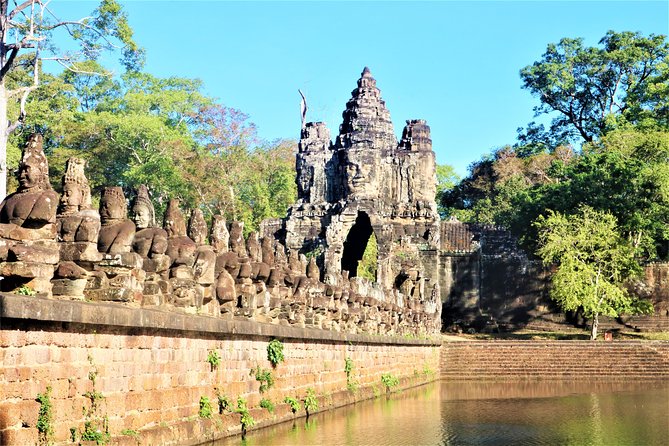
Day 3 keeps the Angkor theme going, but with a stronger variety of temple styles and settings.
First is Preah Khan (about 1 hour). This stop is described as highly atmospheric, with tree roots and crumbling stone structures. It’s one of those places where the ruins feel part of a living scene. Even if you don’t know the full architectural details, the atmosphere does the teaching for you.
Next is Neak Pean (about 40 minutes). The key detail here is its setting: an artificial island with a Buddhist temple on a circular island in Jayatataka Baray. This is the kind of stop that rewards slow looking, because it’s about water management and religious symbolism—not just carving and brickwork.
Then you head to Banteay Srei (about 1 hour 30 minutes). This is a favorite for many people because it’s smaller and well-preserved, and the relief work is said to be among the finest, with especially careful sandstone craftsmanship. If you want a break from the grand “temple mountain” feel and prefer detail work, this is the day’s artistic highlight.
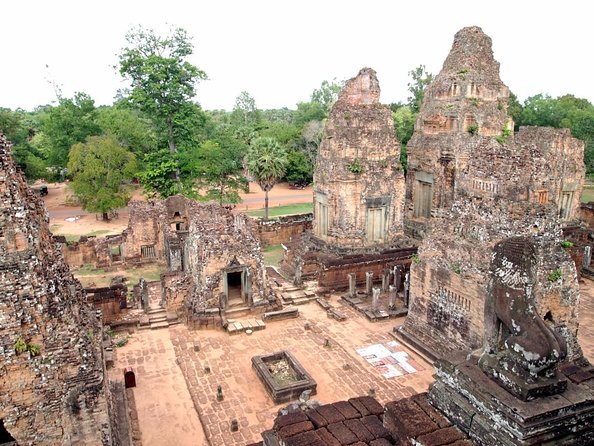
Finally, you visit Pre Rup (about 1 hour 30 minutes). It’s described as a Hindu temple built as the state temple of Khmer king Rajendravarman, dedicated in 961 or early 962. Pre Rup is a temple mountain made from combined brick, laterite, and sandstone, so it’s a different look from the softer, sand-focused stops.
Day 3 is often the most tiring day for the body. You’ll do multiple ruins in succession. Wear shoes you trust and keep your water habit steady, because the schedule doesn’t pause just because you’re sore.
Price and logistics: what $129 really buys (and what you still pay)

The base price is $129 per person for the 3-day program. That’s a fair starting point mainly because so much is operationally included: hotel pickup and drop-off, an air-con vehicle, a licensed English-speaking guide, mineral water, and access to either Tonlé Sap entrance + boat cruise or Phare Circus (seat C).
The big extra line item is the temple pass, which is $62 per person and is paid directly on the day of your activity. The wording is clear: this is required for the temple visits, so don’t assume it’s wrapped into the base price.
If you’re trying to decide whether it’s good value, think of what you’d pay for otherwise:
- getting early sunrise timing right (and avoiding guesswork),
- hiring a guide to explain what you’re seeing,
- and covering transportation between temple clusters and Tonlé Sap.
This tour also offers mobile tickets and pickup convenience, plus group discounts. Those details matter if you want less friction and more certainty.
Meals are not included, so budget for lunch and dinner on your own. If you’re traveling as a couple or small family, you’ll want to plan your food stops around your energy level, not just proximity.
Comfort tips that make the difference at Angkor
A few details in the plan are easy to overlook until you’re standing inside a temple doorway.
Dress code: it’s casual, but you must cover shoulders and knees inside temples. Bring a light layer you can pull on fast, especially if you get cold at dawn or are out under sun for hours.
Walking: comfortable shoes aren’t optional. You’re moving between multiple temple areas across several days, and some parts are uneven.
Timing and energy: day 2 includes a pre-dawn departure, so you’ll want an early dinner the night before and a plan for early bedtime. Day 1 is also a morning start, with an early drive toward Kampong Phluk.
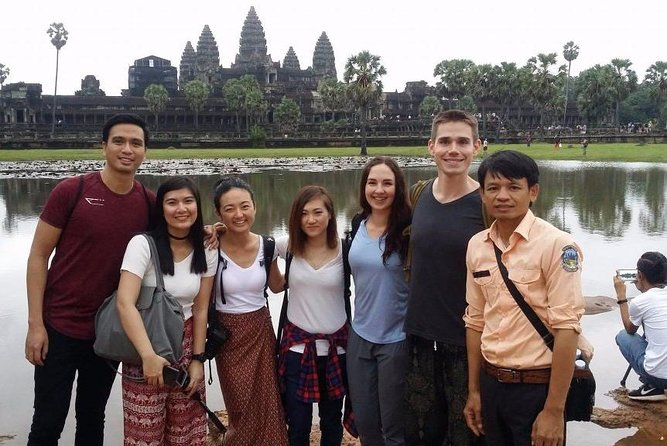
Group size: max 15 travelers sounds small, and it is. That usually means fewer stops waiting for people to catch up, which helps you stay in rhythm.
Who this tour is best for in real life
This tour is a strong fit if:
- you want Angkor Wat sunrise and the big temple names like Ta Prohm,
- you also want a look at Tonlé Sap life rather than only stone,
- you prefer small-group comfort with a guide who can explain the meaning behind carvings and layouts,
- and you’re okay with a schedule that runs early and often.
It’s also a good choice if you don’t want to piece together rides and temple timing on your own. The air-conditioned vehicle and hotel pickup reduce hassle, especially if you’re balancing heat, distances, and early mornings.
If you’re traveling with very young kids, note that children must be accompanied by an adult, and younger than 5 years old are not allowed on this activity.
Should you book the 3 Days Siem Reap Explorer?
I think this is a smart booking for most first-time Siem Reap visitors—especially if you care about seeing Angkor properly and not just ticking boxes. The biggest wins are the sunrise timing, the small-group feel, and the way the schedule balances temples with lake life or Phare Circus depending on season.
Before you commit, do two quick checks:
- confirm your travel dates so you know whether you’ll get Tonlé Sap or the Phare Circus alternative on day 1,
- and factor in the temple pass so the total cost doesn’t surprise you on-site.
If you want a guided plan that’s structured, understandable, and not too big, this one fits.
FAQ
What’s included in the tour price?
The tour includes a licensed English-speaking guide, air-con vehicle, hotel pickup and drop-off, mineral water, and the major temple program plus either Tonlé Sap entrance and boat cruise or Phare Circus (seat C). It also includes local tax and mobile tickets.
Do I need to pay a temple pass?
Yes. A temple pass is required and is not included in the base price. It’s listed as an additional USD 62 per person, paid directly on the day of your activity.
What time do I need to start for Angkor Wat sunrise?
You’ll leave pre-dawn, around 4:00 to 4:30 am depending on the time of year, for sunrise outside Angkor Wat.
What happens on Day 1 during the dry season?
During the dry season from 01 Mar to 31 Aug, the schedule includes Phare The Cambodian Circus in place of the Tonlé Sap option for that day. Outside those dates, the Tonlé Sap lake experience is part of the itinerary.
Are meals included?
No. Meals are not included. You’ll choose where and what to eat on your own.
What’s the group size limit?
The tour has a maximum of 15 travelers.
What should I wear to the temples?
Dress code is casual, but shoulders and knees must be covered inside temples.
Can I cancel and get a full refund?
Yes, the policy says free cancellation is available. You can cancel up to 24 hours in advance for a full refund.
If you want, tell me your travel month and whether you prefer lake time or a performance night, and I’ll help you predict how the Day 1 choice will likely shake out.
More 3-Day Experiences in Siem Reap
- From Siem Reap: Angkor Wat and Floating Village 3-Day Trip
★ 5.0 · 100 reviews - 3-Day Angkor Wat with All Interesting Major Temples, Banteay Srei & Beng Mealea
★ 5.0 · 70 reviews - 3-Day Angkor Wat & All Interesting Major Temples & Kulen Mount Waterfall
★ 5.0 · 63 reviews - Angkor Region: 3-day Private Tour of Top Temples
★ 5.0 · 47 reviews - Best of Siem Reap 3-Day Private Tour to Angkor Wat & Tonle Sap
★ 5.0 · 47 reviews
More Tour Reviews in Siem Reap
- Angkor Wat Sunrise or Sunset Tour with Guide from Siem Reap
★ 5.0 · 12,109 reviews - Siem Reap: Angkor Wat: Small-Group Sunrise or Sunset Tour
★ 5.0 · 9,444 reviews - From Siem Reap: Kampong Phluk Floating Village Tour by Boat
★ 4.9 · 6,979 reviews - Sunset tour of Kampong Phluk stilts home village on the Tonle Sap
★ 5.0 · 4,865 reviews - Siem Reap: Angkor Wat 2-Day Tour with Sunrise and Sunset
★ 4.9 · 4,429 reviews
More Days at the Temples
- Siem Reap: Angkor Wat 2-Day Tour with Sunrise and Sunset
★ 4.9 · 4,429 reviews - Angkor 2-Day Sunset & Sunrise Small-Group Tour
★ 5.0 · 2,567 reviews - 2 Days Exclusive Temple Highlights with Sunset and Sunrise Tour
★ 5.0 · 1,157 reviews - Siem Reap: Angkor Sunrise 1- or 2-Day Guided Temples Tour
★ 4.9 · 1,132 reviews - 2 Days Guided Historical Tour in Angkor
★ 5.0 · 855 reviews
Just Added: Fresh Siem Reap Tour Reviews

Multi-Day Angkor Tours, compared.
 ★ 4.9Angkor Wat 2-Day Tour with Sunrise and SunsetFrom $344,429 reviews
 ★ 5.0Angkor 2-Day Sunset & Sunrise Small-Group TourFrom $492,567 reviews
 ★ 5.02 Days Exclusive Temple Highlights with Sunset and Sunrise TourFrom $491,157 reviews
 ★ 4.9Angkor Sunrise 1- or 2-Day Guided Temples TourFrom $191,132 reviews
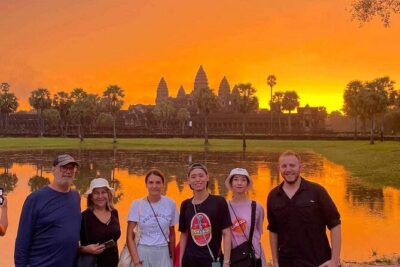 ★ 5.02 Days Guided Historical Tour in AngkorFrom $35855 reviews
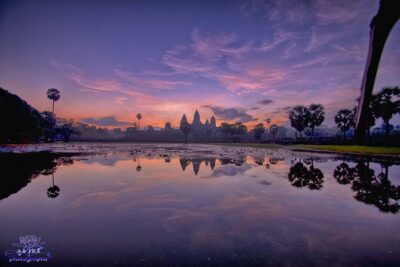 ★ 5.02-Day Angkor Wat With Small, Big Circuit and Banteay Srei TourFrom $158545 reviews
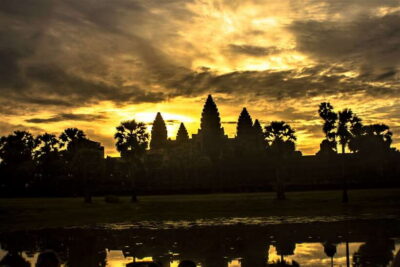 ★ 4.92-Day Temple Highlights Sunrise and Sunset OptionFrom $46445 reviews
 ★ 4.9Angkor Wat 2-Day complex Sun rise & Sun set with Guided TourFrom $30439 reviews
Browse the lists this tour appears in